
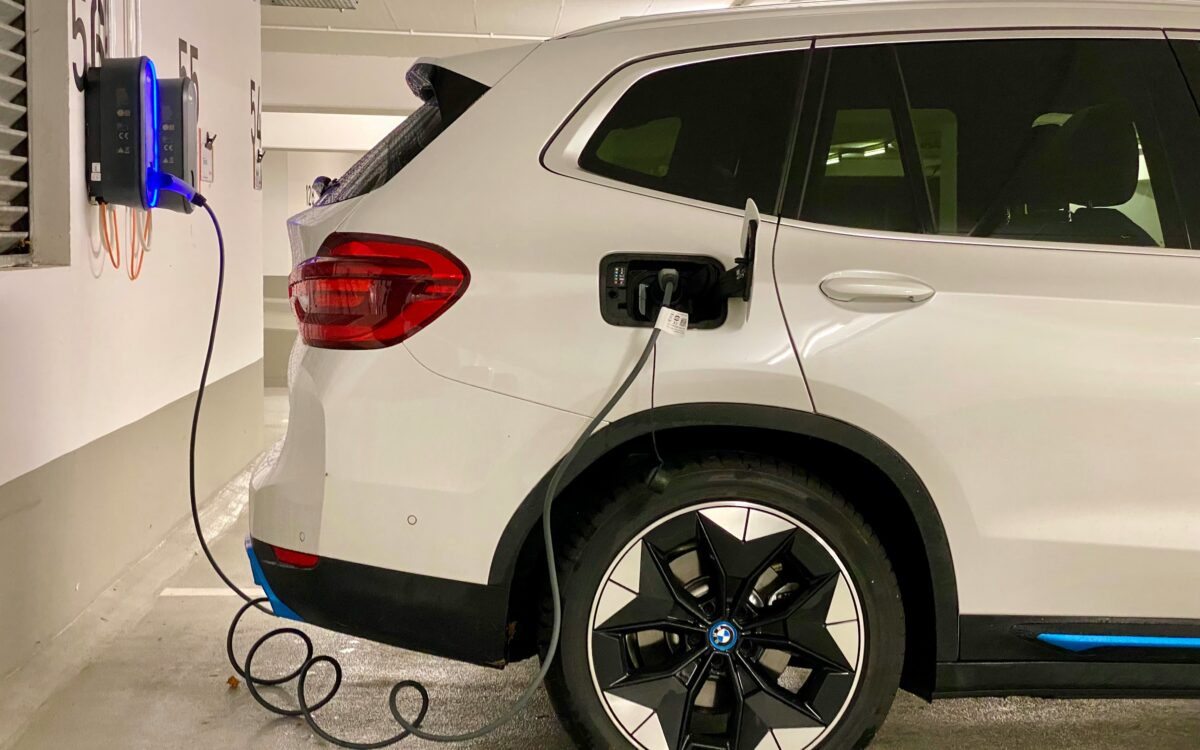
India’s electric vehicle ecosystem is entering a new phase of maturity. Over the last few years, the focus has largely been on increasing charger installation numbers and expanding infrastructure visibility. While this expansion has been essential, the next stage of EV growth will depend less on charger quantity and more on how efficiently and seamlessly these charging networks operate.
One of the most transformative developments shaping this shift is payment-linked EV charging, where charging access is directly integrated with real-time digital payment authorization. As EV adoption spreads across personal mobility, commercial fleets, and public transportation, payment-integrated charging is emerging as a critical pillar for scalable and sustainable infrastructure.
Moving Beyond Hardware Deployment
In the early stages of EV infrastructure development, the primary objective was to deploy chargers across key locations. However, charging infrastructure is fundamentally a service-driven business rather than merely a hardware deployment exercise. Long-term success depends on uptime reliability, user accessibility, transparent billing, and operational efficiency.
Traditional charging access models often require users to download dedicated applications, create accounts, or maintain prepaid wallets. While functional, these processes introduce friction, particularly for first-time users or drivers who need quick and convenient charging access.
India’s rapidly growing digital payment ecosystem, led by UPI adoption, provides a unique opportunity to simplify charging access. Integrating charging sessions directly with digital payment systems significantly reduces user onboarding complexity and improves overall charging accessibility.
Why Payment-Linked Charging Matters
As charging networks expand into residential complexes, commercial destinations, and highway corridors, operators face increasing challenges related to payment security, energy accountability, and operational transparency.
Payment-linked charging systems address these challenges by enabling controlled power delivery only after payment authorization. This ensures electricity consumption is directly linked to revenue realization, minimizing operational leakage and reducing misuse of charging infrastructure.
Additionally, QR-based payment access allows users to initiate charging sessions instantly without relying on proprietary apps or subscriptions. This improves convenience for occasional users and enhances infrastructure utilization rates. Transparent billing and real-time session monitoring also strengthen consumer confidence in public charging networks.
For charging network operators, reliable payment assurance supports predictable cash flows and improves the financial sustainability of infrastructure investments, which is crucial for long-term network expansion.
MegaCharge’s Scan–Pay–Charge Approach
Recognizing the need for frictionless charging access, MegaCharge has introduced a Scan QR – Pay – Charge based charging solution designed to simplify EV charging while strengthening operational control.
The system allows users to initiate charging by scanning a QR code displayed on the charging station. Once payment is completed using widely accepted digital payment platforms, the charger automatically activates power supply for the authorized charging session.
This approach eliminates the need for mandatory app downloads, enabling instant charging access for both registered and walk-in users. It also enhances payment security while allowing operators and site hosts to maintain better control over energy delivery and infrastructure utilization.
The solution is particularly relevant for diverse charging environments such as residential societies, commercial complexes, fleet hubs, and public parking facilities, where user accessibility and operational simplicity are critical for adoption.
Supporting India’s Digital Mobility Vision
India’s leadership in digital payments has transformed consumer transaction behaviour across sectors. Integrating this digital ecosystem into EV charging infrastructure creates a natural extension of user convenience and accelerates adoption of electric mobility.
As government policies continue to encourage EV deployment and infrastructure expansion, smart payment-integrated charging solutions will play a vital role in ensuring charging networks remain scalable, efficient, and financially viable.
The Way Forward
The future of EV infrastructure will be defined by how seamlessly charging integrates into everyday mobility. Payment-linked charging solutions offer a pathway to create networks that are not only widely available but also user-friendly, transparent, and operationally sustainable.
As India progresses toward large-scale electrification, intelligent charging systems that combine digital payments with automated energy delivery will become essential in building reliable and accessible EV infrastructure nationwide.

1 Comment
A WordPress Commenter
The discussion gives some good context for long-term investors.
Courtage en ligne – Comparez les plateformes, les frais et les outils d’investissement