


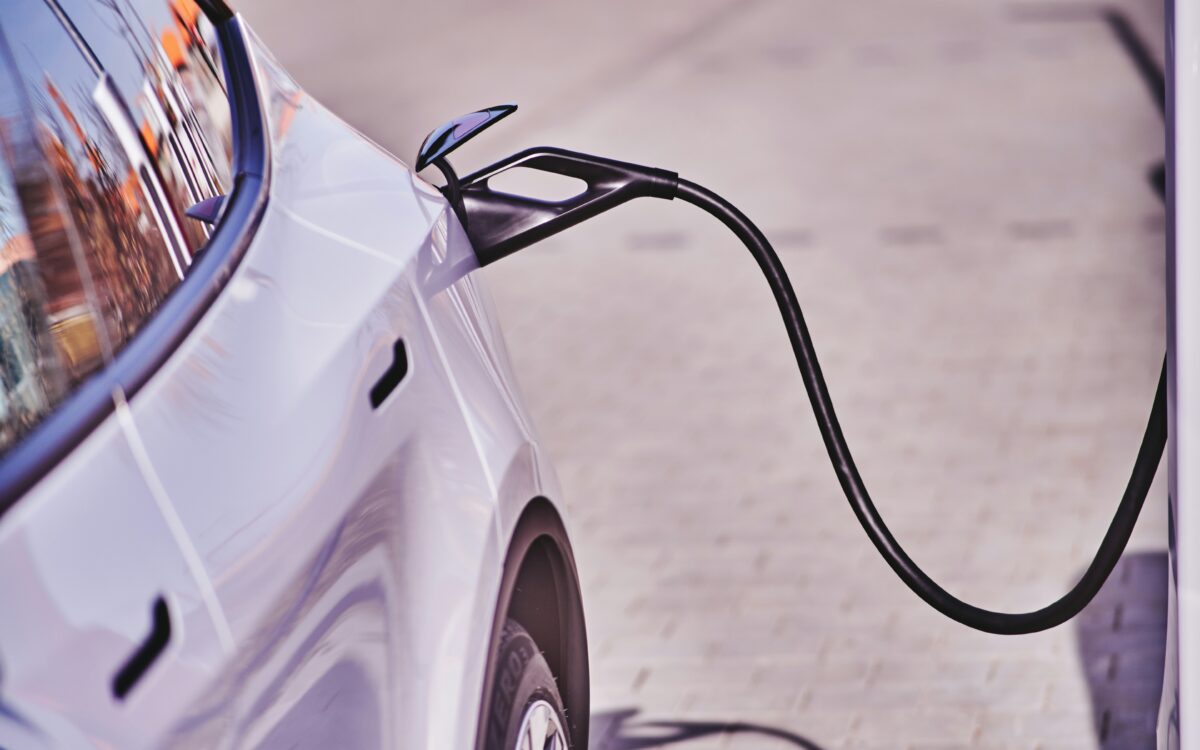
India’s commitment to achieving net-zero carbon emissions by 2070 represents one of the most ambitious climate transitions among developing economies. Transportation remains a major contributor to urban pollution and carbon output, making electric mobility a critical pillar of India’s sustainability roadmap. While electric vehicles (EVs) are widely viewed as the front face of this transformation, experts increasingly agree that charging infrastructure will ultimately determine the success or failure of India’s net-zero mobility ambitions.
The transition to electric mobility is not solely about replacing internal combustion vehicles with electric alternatives. It represents a systemic shift in how energy is consumed, distributed, and managed across transportation networks.
Mobility Electrification Requires Energy Infrastructure Transformation
India’s EV adoption curve is accelerating, particularly across two-wheelers, commercial fleets, and last-mile mobility solutions. However, infrastructure readiness continues to lag behind vehicle adoption growth in several regions.
Charging infrastructure is uniquely positioned at the intersection of mobility and energy sectors. Unlike traditional fuel stations, EV charging networks must operate in close coordination with grid capacity, power availability, and energy efficiency management.
Industry stakeholders increasingly emphasise that large-scale EV adoption requires charging infrastructure to expand simultaneously with vehicle growth. Without adequate charging accessibility, EV adoption risks facing utilisation bottlenecks and consumer hesitation.
Charging Networks as Climate Accountability Enablers
Electrification alone does not guarantee emission reduction unless supported by efficient and scalable charging ecosystems. Reliable charging infrastructure enables fleet electrification, which has one of the highest impacts on urban carbon reduction due to higher vehicle utilisation rates.
Public charging availability also encourages consumers to transition from internal combustion vehicles by reducing concerns related to travel reliability and vehicle usability.
As India expands EV penetration across logistics, ride-hailing, and urban mobility sectors, charging infrastructure becomes a direct enabler of measurable climate impact.
The Challenge of Infrastructure Density and Accessibility
One of the major challenges in India’s EV infrastructure development lies in achieving charging density across urban and intercity travel routes. Unlike mature EV markets where infrastructure expansion followed predictable adoption cycles, India’s EV transition is occurring simultaneously across multiple vehicle segments.
Urban residential clusters require accessible AC charging networks to support personal vehicle ownership, while highway and commercial mobility demand high-speed DC charging infrastructure capable of supporting heavy utilisation.
Balancing infrastructure density with utilisation sustainability remains a complex challenge for Charge Point Operators (CPOs) and infrastructure developers.
Grid Stability and Energy Demand Management
The electrification of transportation introduces new energy demand patterns that require grid modernisation and load balancing strategies. As EV charging demand increases, peak electricity consumption risks placing additional pressure on existing distribution infrastructure.
Integrated charging management, energy storage deployment, and renewable energy integration are emerging as critical solutions to stabilise grid demand while improving charging reliability.
Experts highlight that the success of EV infrastructure will increasingly depend on smart charging solutions capable of distributing energy loads efficiently across charging networks.
Economic Sustainability of Charging Infrastructure
EV infrastructure expansion requires substantial capital investment, making financial sustainability a key determinant of long-term sector growth. Early-stage EV markets typically face utilisation unpredictability, which can impact revenue models for infrastructure operators.
Developing commercially viable infrastructure requires a combination of strategic site selection, cost optimisation, technology integration, and supportive policy frameworks.
Financial sustainability also plays a significant role in attracting institutional investments into charging infrastructure, which will be essential for scaling India’s EV ecosystem.
Policy Alignment: Accelerating Infrastructure Deployment
India’s EV growth trajectory is supported by multiple central and state-level policy initiatives. However, industry stakeholders continue to emphasise the need for streamlined approval processes, uniform regulatory frameworks, and structured incentive programs specifically focused on charging infrastructure.
Charging infrastructure operates as the enabling layer for EV adoption, making it critical for policy frameworks to support infrastructure deployment alongside vehicle incentives.
Public-private partnerships are expected to play a vital role in accelerating infrastructure expansion, particularly across highways, commercial hubs, and urban charging clusters.
Industry Perspective on Infrastructure’s Role in Net-Zero Mobility
Infrastructure developers and ecosystem participants widely recognise that EV adoption is directly linked to charging reliability and accessibility.
Commenting on the long-term mobility transition, Rijjul Mittal of MegaCharge noted,
“The shift to electric mobility is fundamentally an infrastructure-driven transition. The success of EV adoption will depend on building charging networks that are dependable, accessible, and designed to scale alongside India’s evolving energy and mobility requirements.”
From a financial sustainability standpoint, Ankan Gupta of MegaCharge added,
“Charging infrastructure development requires balancing long-term investment planning with operational efficiency. Infrastructure models must evolve to ensure scalability while maintaining economic viability for operators and ecosystem stakeholders.”
Charging Infrastructure as the Foundation of India’s Sustainable Mobility Future
India’s net-zero mobility mission represents a structural transformation across transportation, energy distribution, and urban infrastructure planning. While vehicle electrification continues to receive significant attention, charging infrastructure remains the underlying foundation supporting this transition.
The future of sustainable transportation will depend not only on EV adoption rates but on how efficiently charging networks integrate with energy systems, support user accessibility, and maintain infrastructure reliability.
As India progresses toward its climate commitments, charging infrastructure will remain central to enabling scalable, sustainable, and resilient electric mobility across the country.